
Call us: 479-935-1817
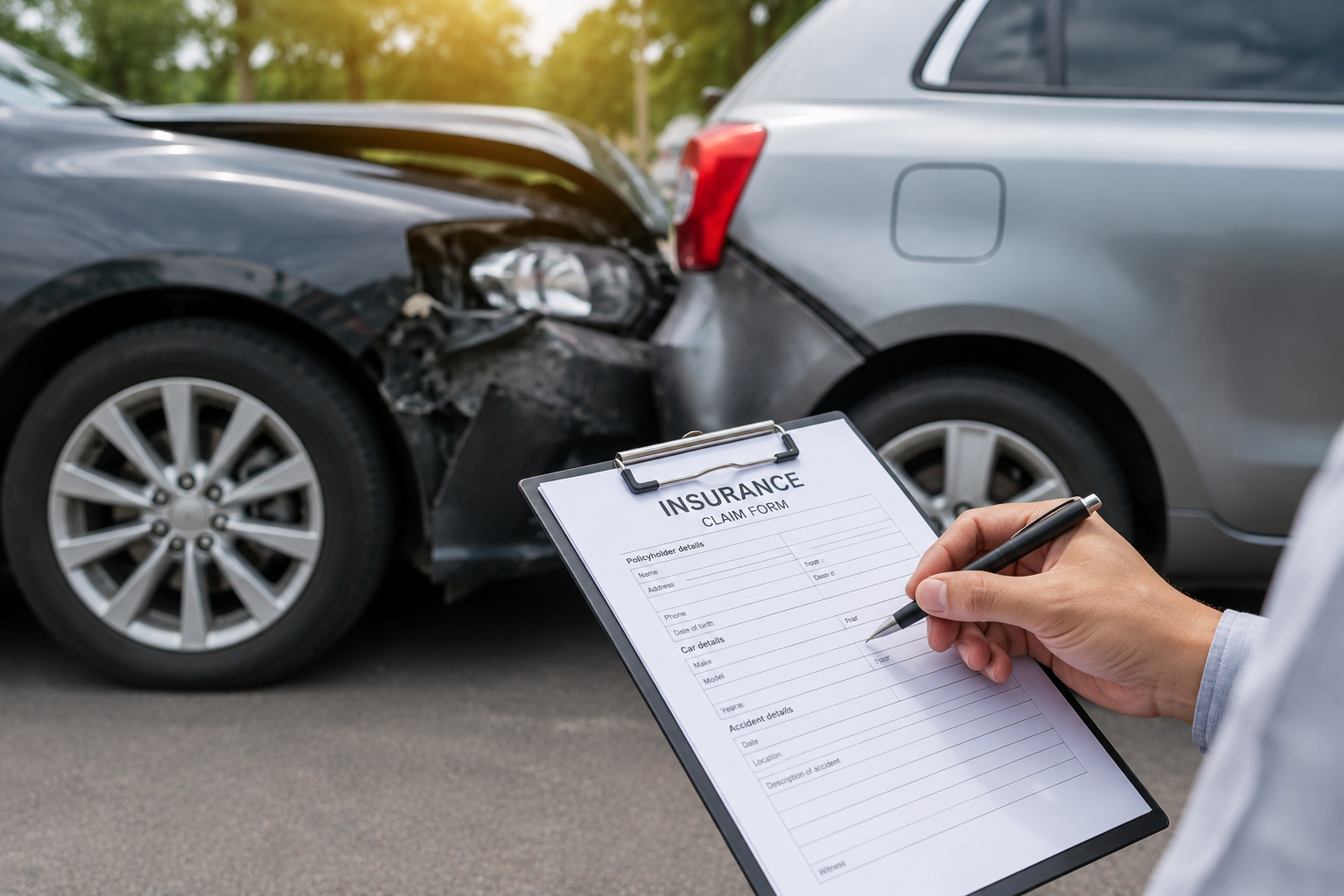

One of the most common questions we hear at My Neighborhood Insurance is, “I have full coverage, so I’m covered for everything, right?”
The short answer is no.
“Full coverage” is not a specific type of insurance policy, and it does not have one universal legal definition. It is an informal term commonly used to describe an auto insurance policy that combines several types of coverage.
What is actually included depends on your insurance carrier, the coverages you selected, your limits, your deductibles, and any optional endorsements added to the policy.
If you live in Farmington, Fayetteville, Prairie Grove, or elsewhere in Northwest Arkansas, understanding what your auto insurance actually covers can help you avoid costly surprises after an accident or other loss.
What Is Full Coverage Auto Insurance?
Most people use the term “full coverage” to describe an auto insurance policy that includes three major types of protection:
- Liability coverage
- Collision coverage
- Comprehensive coverage
Together, these cover many of the most common risks drivers face.
However, having all three does not mean that every possible accident, expense, or type of damage is covered.
What Does Liability Coverage Pay For?
Liability coverage helps protect you financially when you are legally responsible for an accident that causes injuries or property damage to someone else.
It generally includes:
- Bodily injury liability, which can help pay for injuries you cause to other people
- Property damage liability, which can help pay for damage you cause to another person’s vehicle or other property
Liability coverage does not normally pay to repair or replace your own vehicle after an accident you cause.
That is one reason why liability coverage alone should not be confused with full coverage.
What Does Collision Coverage Pay For?
Collision coverage can help pay for damage to your own vehicle after a covered collision, subject to your deductible and policy terms.
This may include collisions with:
- Another vehicle
- A guardrail
- A pole
- A fence
- Another object
Collision coverage can apply regardless of who was at fault, depending on the circumstances and terms of the policy.
If you finance or lease your vehicle, your lender or leasing company may require you to maintain physical damage coverage.
What Does Comprehensive Coverage Pay For?
Comprehensive coverage generally protects against certain types of damage that are not caused by a collision.
Depending on the policy, covered losses may include:
- Theft
- Vandalism
- Hail
- Storm damage
- Falling objects
- Fire
- Certain animal-related damage
- Broken glass
Arkansas drivers know how quickly severe weather can develop, so comprehensive coverage can be particularly important when considering risks such as hail, wind, falling branches, and storm damage.
What Doesn’t “Full Coverage” Automatically Include?
This is where the term “full coverage” can become misleading.
Even if your policy includes liability, collision, and comprehensive coverage, you should not automatically assume that it includes every additional protection available.
Depending on your insurance carrier and policy, you may need to add or specifically select coverage for:
- Rental car reimbursement
- Roadside assistance
- GAP coverage
- New car replacement
- Original Equipment Manufacturer, or OEM, parts
- Custom wheels and aftermarket accessories
- Rideshare driving
- Certain additional transportation expenses
- Higher liability limits
- Additional uninsured or underinsured motorist protection
Mechanical breakdowns, routine maintenance, and normal wear and tear are also generally not covered by standard auto insurance.
Coverage options and terminology vary between carriers, which is why two policies both described as “full coverage” can provide very different protection.
Are Personal Belongings Stolen From Your Car Covered?
This is another common source of confusion.
Comprehensive auto insurance may help cover damage to your vehicle caused during a break-in, such as a broken window or damaged door.
However, personal belongings inside the vehicle are generally treated separately from the vehicle itself.
For example, if a laptop, phone, camera, clothing, or other personal property is stolen from your car, coverage may instead be available through your homeowners insurance or renters insurance, subject to the applicable deductible, limits, exclusions, and policy terms.
This is a good example of why looking at your insurance as a complete protection plan can be more useful than reviewing each policy in isolation.
Arkansas Auto Insurance Requirements
Arkansas requires drivers to maintain minimum liability insurance.
The current minimum liability limits are:
- $25,000 bodily injury liability per person
- $50,000 bodily injury liability per accident
- $25,000 property damage liability per accident
These limits are commonly referred to as 25/50/25.
The minimum requirement helps pay for injuries and property damage you cause to others. It does not provide collision or comprehensive protection for your own vehicle.
Drivers can also choose liability limits above the state minimum.
A serious accident can result in medical expenses, vehicle damage, legal costs, and other claims that exceed minimum liability limits, so it is worth reviewing how much liability protection makes sense for your situation.
Does Full Coverage Include Uninsured and Underinsured Motorist Coverage?
Do not assume it does.
Uninsured and underinsured motorist coverage is designed to help protect you when you are involved in an accident with a driver who has no insurance or does not have enough insurance to cover the loss.
Whether and how this coverage applies depends on your policy, selected limits, state requirements, and carrier.
When reviewing an auto insurance quote, look beyond the words “full coverage” and ask exactly which uninsured and underinsured motorist coverages are included.
What About GAP Insurance?
If you finance a newer vehicle, GAP coverage may be worth discussing.
If your vehicle is declared a total loss, the amount paid under your auto policy may differ from the amount you still owe on your loan or lease.
GAP coverage is designed to help with certain differences between those amounts, subject to its terms and limitations.
It is not automatically included simply because someone refers to your auto policy as full coverage.
Understanding how insurers determine vehicle value after a total loss is also important. You can learn more in our guide to replacement cost vs. actual cash value.
Why Your Coverage Details Matter
Consider a few examples.
Your vehicle is damaged by hail. Comprehensive coverage may apply.
You cause an accident and damage another driver’s vehicle. Your property damage liability coverage may apply.
Your own vehicle is damaged in that accident. Collision coverage may apply.
Your vehicle needs to stay in the repair shop for two weeks. Rental reimbursement may help, but only if that coverage is included in your policy.
Your laptop is stolen from inside the vehicle. Your auto policy may not cover the laptop itself, but another policy could potentially provide coverage.
You drive for Uber or Lyft. A standard personal auto policy may not fully protect you during every stage of rideshare activity.
The words “full coverage” alone do not answer any of these questions.
Your actual policy does.
Read Your Auto Insurance Declarations Page
One of the best places to start when reviewing your coverage is your insurance declarations page.
This document typically summarizes important details such as:
- Vehicles insured
- Drivers listed
- Coverage types
- Liability limits
- Comprehensive and collision deductibles
- Optional endorsements
- Premiums
- Policy period
Instead of asking only, “Do I have full coverage?” consider asking:
What coverages do I actually have, what are my limits, what are my deductibles, and what situations are excluded?
Those questions provide a much clearer picture of your protection.
Should You Carry Full Coverage on an Older Vehicle?
Not every vehicle needs the same coverage.
As a car gets older and its market value decreases, some drivers consider whether continuing to pay for comprehensive and collision coverage makes financial sense.
Important factors include:
- The current value of the vehicle
- Your comprehensive and collision premiums
- Your deductibles
- How much you rely on the vehicle
- Whether you could afford to repair or replace it yourself
- Whether the vehicle is financed
There is no single answer that works for every driver.
A coverage review can help you compare the cost of protecting the vehicle with the financial risk of going without collision or comprehensive coverage.
Why Work With an Independent Insurance Agency?
At My Neighborhood Insurance, we are not limited to one insurance company.
As an independent insurance agency, we can compare options from multiple insurance carriers to help Arkansas drivers find coverage that fits their needs and budget.
That comparison involves more than looking at the premium.
We can help you compare:
- Liability limits
- Comprehensive and collision coverage
- Deductibles
- Rental reimbursement
- Roadside assistance
- Uninsured and underinsured motorist options
- GAP coverage options
- Rideshare coverage
- Available discounts
- Optional endorsements
If you also have homeowners insurance, it may be worth comparing your policies together. Bundling can sometimes provide discounts or simplify your insurance, although the best option depends on the carriers and coverages available.
Know What Your “Full Coverage” Actually Covers
“Full coverage” does not mean “everything is covered.”
Every auto insurance policy has specific limits, deductibles, exclusions, conditions, and optional coverages.
The best way to understand your protection is to review the actual policy rather than relying on a nickname.
If you are unsure what your current auto insurance includes, My Neighborhood Insurance can help.
Call us at 479-935-1817 or contact My Neighborhood Insurance in Farmington, AR for an auto insurance coverage review or quote.
We can review your current coverage, explain potential gaps, and compare options from multiple insurance carriers so you can make an informed decision about the protection that fits your needs.