
Call us: 479-935-1817
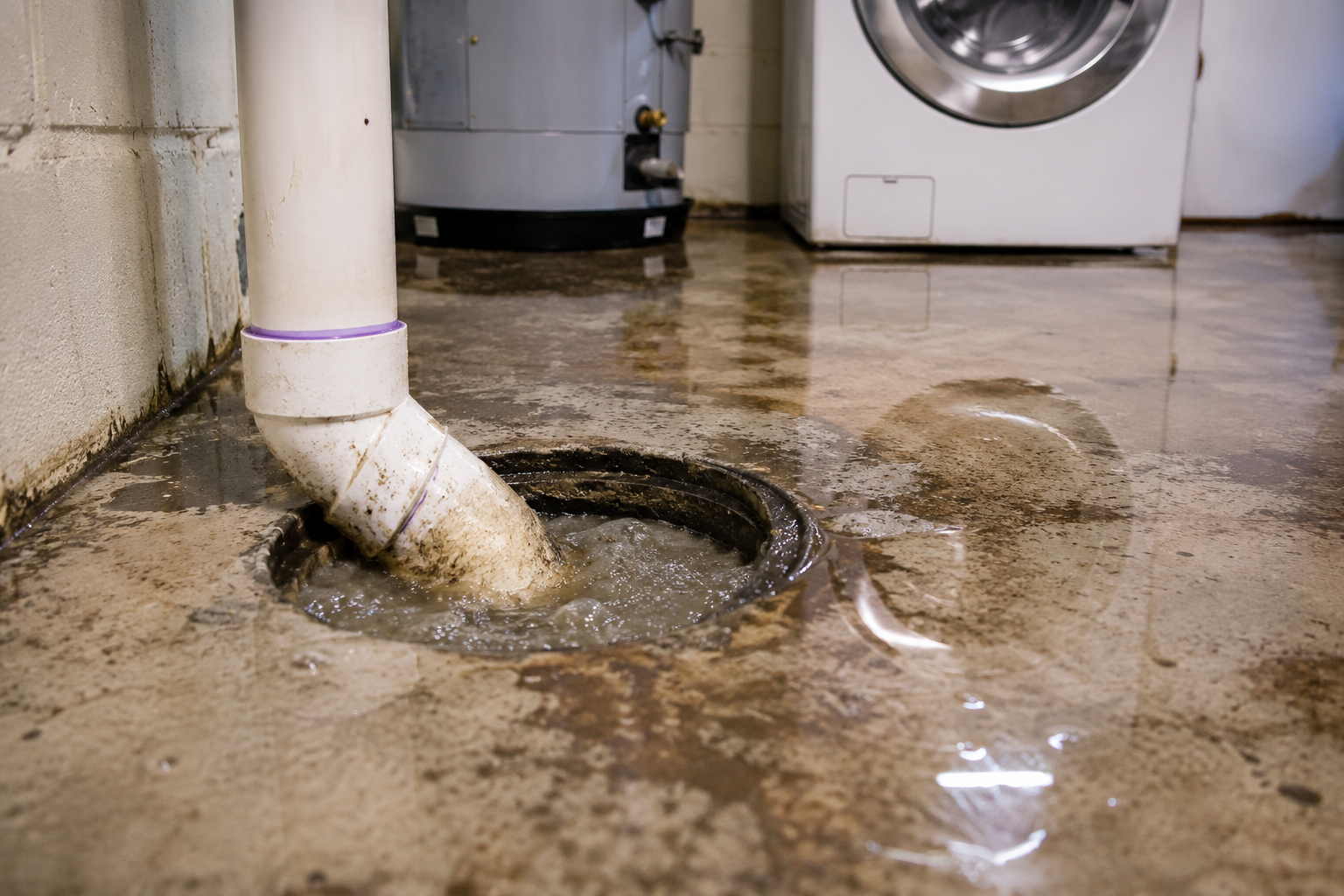

Imagine walking into your bathroom, laundry room, or basement and discovering dirty water or sewage coming up through a drain.
Your first thought might be, “My homeowners insurance covers water damage, right?”
The answer is not always.
Homeowners insurance can cover many types of sudden and accidental water damage, but insurance policies do not treat every source of water the same way. Damage caused by water or sewage backing up through a sewer, drain, or sump system may require additional coverage.
At My Neighborhood Insurance in Farmington, AR, we help homeowners throughout Northwest Arkansas review their homeowners insurance and understand whether important optional coverages, including water backup coverage, are included.
What Is Water Backup Coverage?
Water backup coverage is typically an optional endorsement that can be added to a homeowners insurance policy.
Depending on the insurance carrier and policy language, it may help cover certain damage caused when water or sewage backs up through:
- Sewers
- Drains
- Sump pumps
- Related drainage systems
Without the appropriate coverage, these types of losses may be excluded from a standard homeowners policy.
Coverage limits, deductibles, exclusions, and eligibility vary between insurance companies, so it is important to review the actual policy rather than assuming all water damage is covered.
Is Sewer Backup Covered by Homeowners Insurance?
Not necessarily.
A standard homeowners insurance policy may exclude damage caused by water or sewage that backs up through a sewer or drain.
A water backup endorsement can help provide protection for certain backup losses, subject to the specific terms of the policy.
For example, imagine a sewer backup sends contaminated water into a finished basement.
The resulting damage could affect:
- Flooring
- Drywall
- Baseboards
- Cabinets
- Furniture
- Appliances
- Electronics
- Personal belongings
Cleanup can also involve more than simply removing the water. Contaminated water may require professional cleaning, sanitation, removal of damaged materials, and restoration work.
That can turn what looks like a relatively small plumbing problem into an expensive property claim.
What Causes a Sewer or Drain Backup?
A backup can happen for several reasons.
Possible causes include:
- Blocked sewer lines
- Clogged drains
- Tree root intrusion
- Municipal sewer problems
- Heavy rainfall
- Sump pump failure
- Drainage system problems
- Aging pipes
- Debris or buildup inside a line
The cause of the backup matters because insurance coverage depends on how the loss occurred and what the policy says.
Do not assume that every sewer, drain, or sump pump problem will be handled the same way.
What Does Water Backup Insurance Cover?
When applicable, water backup coverage may help pay for certain resulting damage inside your home after a covered backup.
Depending on the policy, this could include damage to:
- Walls
- Flooring
- Built-in cabinets
- Furniture
- Appliances
- Personal property
- Other covered parts of the home
The policy may also have a separate water backup coverage limit.
For example, you could have a homeowners policy with a much higher dwelling limit but a considerably smaller limit specifically for water backup losses.
That is why simply knowing that you “have water backup coverage” is not enough.
You should also know:
- Your water backup limit
- Your deductible
- What types of backups qualify
- Whether sump pump backup is included
- What exclusions apply
- How damaged personal property is valued
If you are unsure how your belongings would be valued after a covered loss, our guide to Replacement Cost vs. Actual Cash Value explains an important distinction that can affect claim payments.
Water Backup Coverage vs. Flood Insurance
Water backup coverage and flood insurance are not the same thing.
This distinction is especially important because people often use the phrase “water damage” to describe very different types of losses.
Water Backup Coverage
Water backup coverage generally addresses certain situations involving water or sewage backing up through a sewer, drain, sump pump, or related system.
Flood Insurance
Flood insurance is designed to cover qualifying flood losses involving conditions such as rising surface water or certain forms of widespread inundation.
Standard homeowners insurance generally does not cover flood damage.
Having water backup coverage does not mean you have flood insurance.
Likewise, having flood insurance does not mean every sewer or drain backup is automatically covered.
The source and cause of the water matter.
What If Heavy Rain Causes the Backup?
This is where coverage can become more complicated.
Heavy rainfall can contribute to overloaded drainage or sewer systems, but that does not automatically determine which insurance policy applies.
A sewer backup caused during a storm may be treated differently from direct surface flooding.
Coverage can depend on:
- Where the water came from
- Why the backup occurred
- Whether a qualifying flood occurred
- The language of your homeowners policy
- Whether you purchased water backup coverage
- Whether you have separate flood insurance
If you experience water damage, document the damage and contact your insurance company or agent as soon as possible so the cause and applicable coverage can be evaluated.
Is Sump Pump Backup Covered?
Not always.
A sump pump can help remove water before it accumulates inside your home, but a pump can fail, lose power, become overwhelmed, or experience another problem.
Some water backup endorsements include certain sump pump related losses.
Others may have different limitations or exclusions.
If your home relies on a sump pump, ask specifically whether your policy provides coverage for water that backs up or overflows through the sump system.
Do not assume that standard homeowners coverage automatically includes it.
Does Water Backup Coverage Pay to Repair the Sewer Line?
Not necessarily.
This is another important distinction.
Water backup coverage is generally intended to address certain resulting damage caused by the backup.
That does not necessarily mean it pays to repair or replace the damaged underground pipe or sewer line that caused the problem.
For example, you could potentially have two separate expenses:
- Damage inside your home caused by sewage backing up through a drain
- The cost of excavating and repairing the damaged underground sewer line
Those costs may fall under different coverages.
What Is Service Line Coverage?
Some insurance companies offer service line coverage as an optional homeowners insurance endorsement.
Depending on the carrier and policy, service line coverage may help protect certain underground utility lines that the homeowner is responsible for maintaining.
These can potentially include:
- Sewer lines
- Water lines
- Electrical service lines
- Other covered underground utility connections
Coverage may apply to certain causes of damage and can potentially help with expenses such as excavation and repair.
However, policy terms vary considerably between insurance companies.
Water backup coverage and service line coverage therefore solve different problems.
Water backup coverage may help address certain resulting water or sewage damage inside the home.
Service line coverage may help address certain damage to the underground line itself.
A homeowner may benefit from reviewing both.
How Much Water Backup Coverage Do You Need?
There is no single limit that is right for every home.
Consider factors such as:
- Whether you have a basement
- Whether the basement is finished
- The amount of furniture and personal property below ground level
- Whether you rely on a sump pump
- The cost of flooring and drywall
- Appliances located in a basement or utility area
- Local plumbing and cleanup costs
- Available coverage limits from your insurance carrier
A homeowner with an unfinished storage basement may have very different exposure from someone with a fully finished lower level containing bedrooms, electronics, furniture, and expensive flooring.
Review the available limits instead of automatically selecting the lowest option.
Why Northwest Arkansas Homeowners Should Review Water Backup Coverage
Northwest Arkansas homeowners can experience heavy rain, severe thunderstorms, and other weather conditions that put additional pressure on drainage systems.
However, sewer and drain backups are not limited to severe weather.
They can also happen because of plumbing problems, tree roots, aging lines, blockages, municipal sewer issues, or sump system failures.
The important question is not simply whether a backup is likely.
It is whether you understand what your insurance would do if one happened.
Questions to Ask About Your Homeowners Policy
When reviewing your policy, ask:
- Do I have water backup coverage?
- What is my water backup coverage limit?
- What deductible applies?
- Are sewer and drain backups included?
- Is sump pump backup covered?
- Does the coverage include personal property?
- How is damaged property valued?
- Do I have service line coverage?
- Does my policy cover excavation related to a damaged service line?
- Do I need separate flood insurance?
These questions can provide a much clearer picture of your coverage than simply asking whether your policy covers “water damage.”
Why Work With an Independent Insurance Agency?
My Neighborhood Insurance is an independent insurance agency, which means we can compare homeowners insurance options from multiple carriers.
Different insurance companies may offer different:
- Water backup coverage limits
- Deductibles
- Service line endorsements
- Eligibility requirements
- Replacement cost options
- Homeowners coverage packages
- Pricing
We help homeowners in Farmington, Fayetteville, Prairie Grove, Lincoln, Greenland, West Fork, and throughout Northwest Arkansas understand these differences before a loss occurs.
Existing clients who need to update or review a policy can also submit a request through our Service Center.
Do Not Wait Until Water Is Coming Through the Drain
Does homeowners insurance cover sewer backup?
The answer depends on your policy.
A standard homeowners policy may not automatically cover water or sewage that backs up through a sewer, drain, or sump system. Water backup coverage may help fill that gap, while service line coverage may address a different risk involving the underground line itself.
The best time to review these coverages is before you have a basement full of contaminated water.
If you are unsure whether your current policy includes water backup coverage, what your limit is, or whether service line coverage is available, My Neighborhood Insurance can help.
Call us at 479-935-1817 or contact My Neighborhood Insurance in Farmington, AR for a homeowners insurance review or quote.
We can review your current protection, explain available water backup and service line options, and compare homeowners insurance coverage from multiple carriers.
Frequently Asked Questions About Water Backup Coverage
Does standard homeowners insurance cover sewer backup?
Not always. Many homeowners policies exclude or limit damage caused by water or sewage backing up through a sewer or drain unless specific water backup coverage has been added. Coverage depends on the insurance carrier and policy.
What does water backup coverage cover?
Depending on the policy, water backup coverage may help pay for certain damage caused when water or sewage backs up through a sewer, drain, sump pump, or related system. Limits, deductibles, and exclusions vary.
Is water backup coverage the same as flood insurance?
No. Water backup coverage typically addresses certain sewer, drain, or sump related backups. Flood insurance is designed for qualifying flood events such as rising surface water. One does not automatically replace the other.
Does water backup insurance cover the sewer pipe itself?
Not necessarily. Water backup coverage may help with resulting damage inside the home, while damage to an underground sewer line may require separate service line coverage, depending on the policy.
Is sump pump failure covered by homeowners insurance?
It depends on the policy. Some water backup endorsements may cover certain losses involving a sump pump, while standard homeowners coverage may not. Homeowners who rely on a sump pump should review this coverage specifically.