
Call us: 479-935-1817
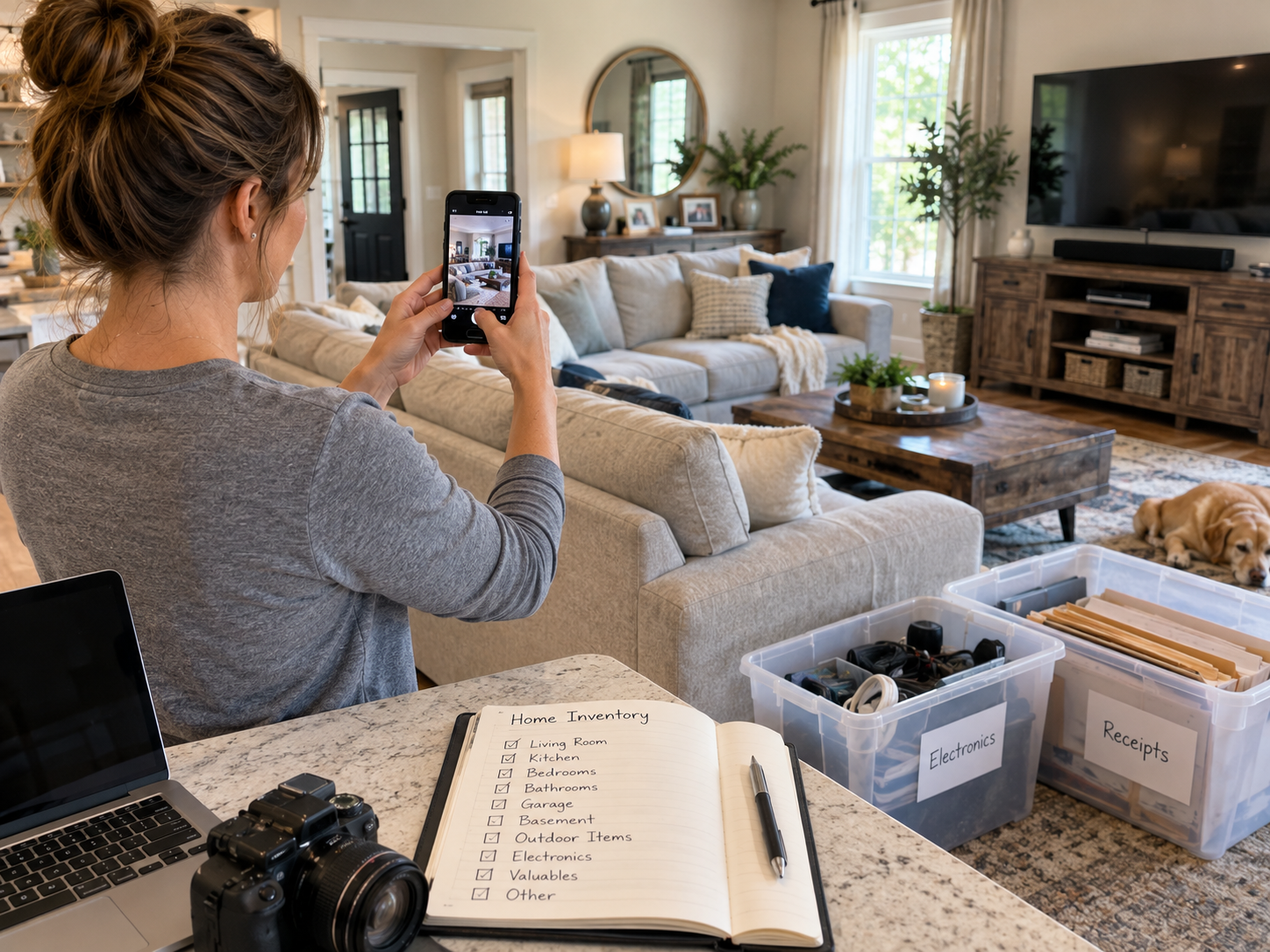

If a fire, tornado, or other disaster damaged your home tonight, could you make a detailed list of everything you owned tomorrow?
Think beyond the big purchases.
How many shirts are in your closet? What appliances are in your kitchen? How much did you spend on your living room furniture? What tools, electronics, decorations, and personal belongings have you accumulated over the years?
Most people do not realize how much they own until they have to replace it.
Creating a home inventory checklist before a loss can make documenting your belongings much easier and help you understand whether your personal property insurance provides adequate protection.
At My Neighborhood Insurance in Farmington, AR, we help homeowners throughout Northwest Arkansas review their homeowners insurance coverage, including the protection available for their belongings.
Quick Answer: What Is a Home Inventory Checklist?
A home inventory checklist is a detailed record of the personal belongings you own.
It typically includes descriptions, photographs, purchase information, estimated values, and identifying details for important items.
A home inventory can help you:
- Document belongings before a loss
- Prepare information for an insurance claim
- Estimate the value of your personal property
- Identify valuable items that may need additional coverage
- Review your personal property insurance limits
- Keep important records organized
You do not need expensive software or professional equipment to get started.
A smartphone, spreadsheet, notebook, or home inventory app can be enough.
The most important step is creating the inventory before you need it.
Why Is a Home Inventory Important for Homeowners Insurance?
Imagine a covered fire destroys your living room, kitchen, and several bedrooms.
You may remember your television, sofa, dining table, and major appliances.
But what about the smaller items?
Your kitchen cabinets may contain hundreds of dollars worth of cookware, dishes, utensils, and small appliances.
Your closets may contain years of clothing purchases.
Your garage could hold tools, lawn equipment, bicycles, and seasonal decorations.
After a major loss, remembering all those possessions can be difficult, especially when you are dealing with repairs, temporary housing, and other unexpected expenses.
A detailed home inventory gives you a record to reference when preparing your claim.
It can also help your insurance company identify damaged or destroyed items and evaluate your claim under the applicable coverage.
The Arkansas Insurance Department specifically recommends preparing an inventory before a disaster and provides a free household inventory checklist.
How to Create a Home Inventory in 5 Steps
You do not need to document everything in one day.
Start with one room and work your way through the house.
Step 1: Walk Through Your Home Room by Room
Start in an easy area, such as your living room or bedroom.
Make a list of the items you see.
Then open cabinets, closets, drawers, and storage containers to document belongings that are easy to overlook.
Continue through the other rooms in your home.
Do not forget your garage, attic, basement, storage areas, or detached structures.
Step 2: Take Photos and Videos
Photographs can help document what you owned and the condition of your belongings before a loss.
Take pictures of:
- Each room from multiple angles
- Furniture and large appliances
- Electronics
- Closets and clothing
- Kitchen cabinets and drawers
- Garage equipment
- Valuable personal property
- Storage areas
A video walkthrough can also be helpful.
Move slowly through each room and describe important items while recording.
For example, you might identify the brand of your television, the approximate age of your furniture, or the equipment stored in your garage.
Step 3: Record Important Item Details
For expensive or identifiable items, record as much useful information as possible.
Consider including:
- Item description
- Brand or manufacturer
- Model number
- Serial number
- Purchase date
- Original purchase price
- Estimated current replacement cost
- Photograph or video
- Receipt or appraisal, when available
For everyday items such as clothing, dishes, books, or decorations, grouping similar belongings by category may be more practical than listing every individual item.
Step 4: Save Receipts and Appraisals
Purchase receipts can help support the value and ownership of your belongings.
Keep digital copies of receipts for expensive purchases such as:
- Electronics
- Appliances
- Jewelry
- Furniture
- Computers
- Musical instruments
- Specialty tools
- Collectibles
For certain high-value items, a professional appraisal may also be useful or required when requesting specialized insurance coverage.
Do not assume an item is impossible to document simply because you no longer have the original receipt.
Photographs, model information, purchase records, and other available documentation may still be helpful.
Step 5: Store Your Inventory Somewhere Safe
Do not keep your only copy inside your home.
If a fire or tornado destroys the building, a paper inventory stored in a desk drawer may be lost along with everything else.
Consider storing a copy in:
- Secure cloud storage
- An encrypted digital backup
- A safe deposit box
- Another secure location outside your home
Make sure you can access your records even if your phone, computer, or other devices are damaged.
Because an inventory can contain sensitive details about your belongings, use appropriate privacy and security settings when storing or sharing it.
Room-by-Room Home Inventory Checklist
The following checklist can help you get started.
Living Room
- Sofas and chairs
- Coffee tables and end tables
- Television
- Entertainment systems
- Speakers
- Gaming consoles
- Lamps and lighting
- Rugs
- Curtains
- Artwork and decorations
- Books and collectibles
Kitchen and Dining Room
- Refrigerator
- Stove and oven
- Dishwasher
- Microwave
- Coffee maker
- Blender and other small appliances
- Pots and pans
- Dishes and glassware
- Silverware and utensils
- Dining table and chairs
- Kitchen storage items
Bedrooms and Closets
- Beds and mattresses
- Dressers
- Nightstands
- Clothing
- Shoes
- Handbags and accessories
- Jewelry
- Bedding
- Electronics
- Decorations
- Children’s belongings
Bathrooms and Laundry Room
- Towels
- Linens
- Small appliances
- Personal care equipment
- Laundry machines
- Storage furniture
- Other personal belongings
Home Office
- Computers and monitors
- Printers
- Office furniture
- Cameras
- Electronics
- Networking equipment
- Office supplies
If you operate a business from home, ask your insurance agent about coverage limitations for business-owned equipment and property used for business purposes.
Garage, Attic, Basement, and Storage Areas
- Power tools
- Hand tools
- Lawn equipment
- Bicycles
- Sporting equipment
- Camping equipment
- Seasonal decorations
- Outdoor furniture
- Storage containers
- Hobby supplies
- Workshop equipment
Some belongings stored in detached structures or used for certain activities may be subject to specific coverage terms or limitations.
High-Value Personal Property
Document particularly valuable items individually whenever possible.
Examples include:
- Jewelry
- Watches
- Fine art
- Antiques
- Collectibles
- Firearms
- Musical instruments
- Expensive cameras
- Rare or specialty equipment
Keep photographs, receipts, serial numbers, and appraisals where appropriate.
These items may need additional attention during your insurance review.
Is Your Personal Property Insurance Limit High Enough?
Creating a home inventory does more than help with claims.
It can also reveal whether your insurance provides enough personal property coverage.
Homeowners policies typically include personal property coverage, often identified as Coverage C.
This coverage may help repair or replace covered belongings that are damaged, destroyed, or stolen due to an insured loss.
However, your policy has limits.
Consider how much it would cost to replace:
- All your furniture
- Every appliance
- Clothing for your entire household
- Computers and electronics
- Kitchenware
- Tools and equipment
- Children’s belongings
- Other personal possessions
Replacing everything at once could cost considerably more than you expect.
Once you have completed your inventory, compare the estimated value of your belongings with the personal property limit shown on your homeowners insurance declarations page.
If the amount needed to replace your belongings is higher than your available coverage, contact your insurance agent to discuss your options.
Also remember that having a home inventory does not guarantee reimbursement for every listed item. Claims remain subject to covered causes of loss, policy limits, deductibles, exclusions, and other conditions.
Replacement Cost vs. Actual Cash Value: Why It Matters
Knowing what you own is only part of protecting it.
You should also understand how your insurance company determines the value of damaged or destroyed belongings.
Two common valuation methods are replacement cost and actual cash value.
Replacement Cost Coverage
Replacement cost coverage generally helps pay to replace covered belongings with new items of similar kind and quality, subject to policy terms and limits.
For example, if a covered loss destroys an older television, replacement cost coverage may help pay for a comparable new television.
Depending on the policy, the insurer may initially pay a depreciated amount and reimburse additional replacement costs after the item is replaced and the required documentation is submitted.
Actual Cash Value Coverage
Actual cash value, often called ACV, generally accounts for depreciation based on factors such as age and condition.
A television purchased several years ago may be worth considerably less today than the cost of buying a comparable new model.
That difference can affect how much money you receive after a covered loss.
You can learn more in our article about Replacement Cost vs. Actual Cash Value.
When reviewing your homeowners insurance, ask whether your personal property is covered on an actual cash value or replacement cost basis.
Are Jewelry, Collectibles, and Other Valuable Items Fully Covered?
Not necessarily.
Even when a homeowners policy provides personal property coverage, certain categories of belongings may have special limits.
Depending on the policy and type of loss, these can include:
- Jewelry and watches
- Firearms
- Fine art
- Collectibles
- Antiques
- Money and securities
- Valuable papers
- Certain electronics
- Business property
For example, a homeowners policy may have a specific limit for jewelry theft that is lower than the total value of the jewelry you own.
Some carriers offer scheduled personal property endorsements or other options that provide specialized coverage for qualifying valuables.
Creating an inventory can help identify items that deserve a closer look.
If you own expensive jewelry, collectibles, artwork, or specialized equipment, ask your insurance agent whether your current limits are appropriate.
Does a Home Inventory Cover Belongings Outside Your House?
A home inventory can also include personal property that you regularly keep outside your main living space.
For example:
- Items stored in a detached garage
- Belongings kept in a storage unit
- Personal property you take on trips
- Items temporarily kept elsewhere
However, homeowners insurance may apply different limits or conditions to property stored away from your residence.
If you rent rather than own your home, maintaining an inventory is just as useful.
Renters insurance can provide personal property protection for eligible belongings, even though the renter does not own the building itself.
The specific coverage depends on the policy.
Why Arkansas Homeowners Should Prepare Before Severe Weather
Northwest Arkansas homeowners can face severe thunderstorms, tornadoes, hail, lightning, and other weather-related property risks.
A significant storm can damage not only the structure of your home but also furniture, electronics, clothing, and other belongings inside.
Fire and theft can create similar challenges when documenting personal property losses.
However, not every disaster is covered under a standard homeowners policy.
Flood damage, for example, generally requires separate flood insurance.
Certain types of water damage may also need additional protection. Our guide to Water Backup Coverage and Sewer Backup Insurance explains why sewer and drain backups can be treated differently from other water losses.
A home inventory helps document what you own, but it does not change which causes of loss your policy covers.
That is why maintaining an accurate inventory and reviewing your insurance coverage are both important.
Can You Use a Home Inventory App?
Yes.
You do not have to create your inventory entirely by hand.
The National Association of Insurance Commissioners offers a free home inventory app that can help homeowners organize their belongings.
The app includes features for:
- Adding photographs
- Grouping belongings by room or category
- Recording item information
- Scanning barcodes
- Exporting inventory information
You can learn more about the free tool on the NAIC Home Inventory page.
The Arkansas Insurance Department’s Disaster Resources page also provides a downloadable household inventory checklist.
Whether you use an app, spreadsheet, or paper checklist, choose a method you will realistically keep updated.
How Often Should You Update Your Home Inventory?
At least once a year is a good starting point.
You should also update your inventory after significant purchases or changes in your household.
Examples include:
- Purchasing expensive electronics
- Buying jewelry or collectibles
- Replacing major furniture
- Purchasing new appliances
- Moving into a different home
- Completing a major renovation
- Adding valuable hobby equipment
- Making significant changes to stored belongings
You can review your inventory during your annual homeowners insurance review.
It is also worth remembering that your home’s rebuilding cost and the value of your belongings are different insurance considerations.
Our article about home replacement cost and rebuilding coverage explains why your dwelling limit may need to change as construction costs and home improvements change.
What Should You Do With Your Inventory After a Covered Loss?
If your belongings are damaged, destroyed, or stolen, your home inventory can become a valuable reference during the claims process.
Depending on the circumstances, you may need to:
- Notify your insurance company or agent promptly.
- Take reasonable steps to prevent additional damage when safe and appropriate.
- Photograph or document damaged property before disposal.
- Review your existing home inventory.
- Identify damaged, destroyed, or missing items.
- Collect available receipts, photographs, and supporting documentation.
- Follow your insurer’s instructions for submitting the inventory and claim information.
Do not discard damaged items before checking with your insurance company unless disposal is necessary for safety, health, or other urgent reasons.
Keep records of claim communications, expenses, and documents you submit.
Your insurance company will evaluate the claim under the applicable policy terms.
Why Work With an Independent Insurance Agency?
Your home is more than the building itself.
It contains furniture, clothing, electronics, family belongings, valuable possessions, and the things you use every day.
At My Neighborhood Insurance, we help homeowners understand how these belongings fit into their overall insurance protection.
As an independent insurance agency, we can compare homeowners insurance options from multiple carriers.
We help families throughout Farmington, Fayetteville, Prairie Grove, Lincoln, Greenland, West Fork, and surrounding Northwest Arkansas communities review:
- Personal property coverage limits
- Replacement cost options
- Actual cash value provisions
- Scheduled personal property coverage
- Coverage for valuable belongings
- Deductibles
- Dwelling coverage
- Optional endorsements
- Available homeowners insurance options
If you are an existing client and need to request a policy update, you can also use our Service Center.
Frequently Asked Questions About Home Inventory Checklists
What should be included in a home inventory for insurance?
A home inventory should document your personal belongings, including furniture, clothing, electronics, appliances, tools, and valuables. Include photographs, descriptions, purchase information, estimated values, and model or serial numbers when available.
Do I need receipts for everything on my home inventory?
Not necessarily. Receipts can be valuable supporting documentation, especially for expensive items. Photographs, videos, model information, and other available records may also help establish ownership and value. Your insurer determines the documentation required for a particular claim.
Does homeowners insurance cover everything on my home inventory?
No. Creating an inventory does not guarantee that every listed item is insured. Coverage depends on your policy, limits, exclusions, deductibles, and the cause of the loss. Certain valuable items may require additional coverage.
How often should I update my home inventory?
Reviewing your home inventory at least once a year is a good practice. Update it sooner when you purchase expensive belongings, move, renovate, or make other significant changes.
Where should I store my home inventory?
Keep at least one secure copy outside your home or in secure cloud storage. Make sure you can access the information if your home or electronic devices are damaged.
Is a home inventory useful for renters insurance?
Yes. Renters can use a home inventory to document their belongings, estimate coverage needs, and prepare information for covered personal property claims. Renters insurance typically protects eligible personal belongings rather than the building itself.
Protect Everything That Makes Your House a Home
If a fire, severe storm, or other covered disaster damaged your home, remembering every possession afterward could be overwhelming.
Creating a home inventory now can help you document what you own, estimate the value of your belongings, and identify potential insurance coverage gaps before a loss occurs.
But an inventory is only part of the process.
You also need to know whether your personal property limits, valuation methods, and optional endorsements fit the belongings you own today.
Not sure your homeowners insurance would provide enough protection for everything inside your home?
At My Neighborhood Insurance, we can help you review your personal property coverage, discuss protection for valuable belongings, and compare insurance options from multiple carriers.
Call us at 479-935-1817 or request a homeowners insurance quote in Farmington, AR.
You can also contact My Neighborhood Insurance to request a personal property coverage review.
Let us help you protect not just your house, but the belongings that make it your home.